Solar energy is one of the cleanest, most reliable, and cost-effective sources of power available today.
If you’ve ever wondered how solar panels actually turn sunlight into electricity, you’re in the right place.
This Beginner’s Guide to Solar Panels will help you understand how they work, what components are involved, and why they’re an excellent investment for homes and businesses in 2025.
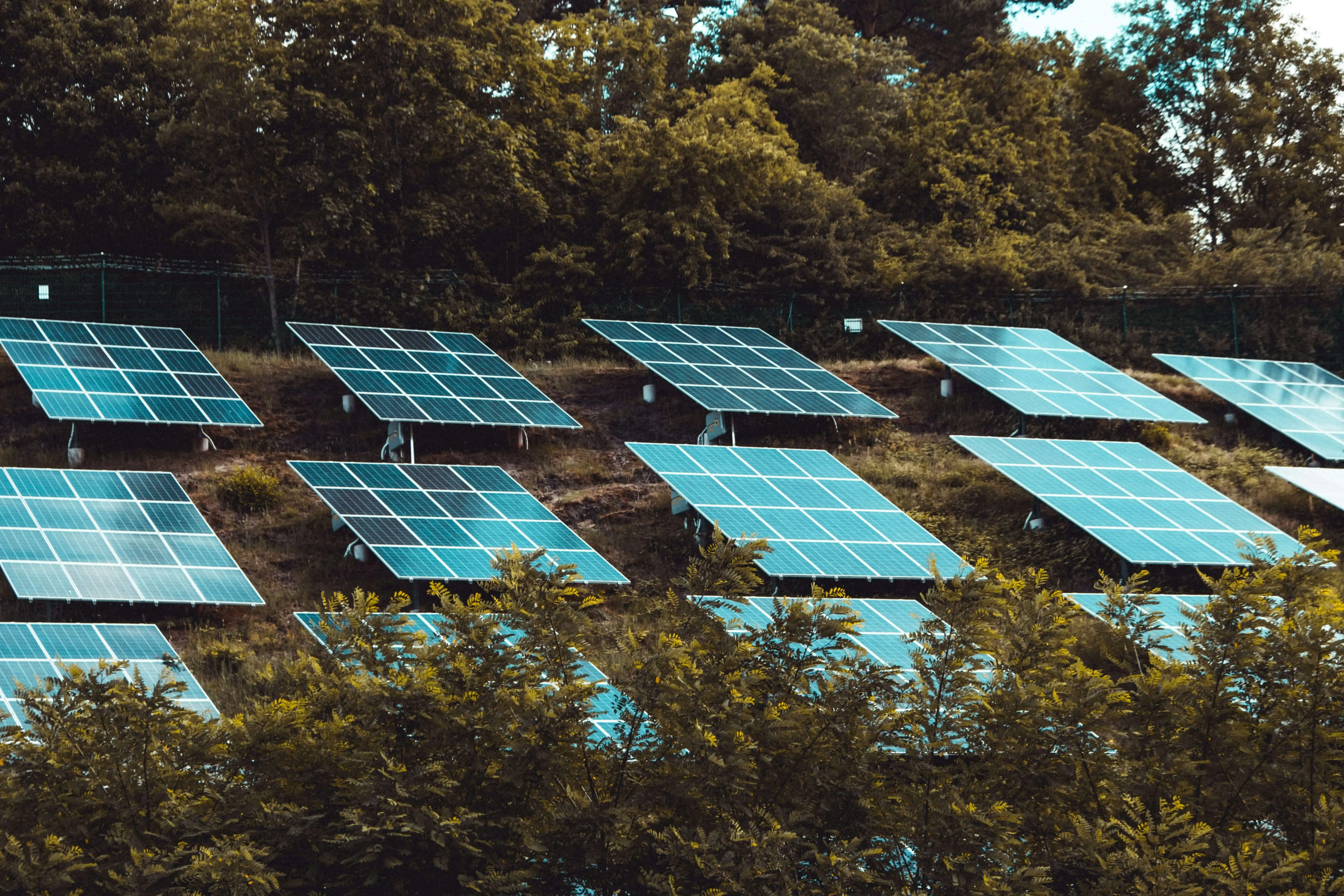
Solar panels (also known as photovoltaic or PV panels) are devices that convert sunlight into usable electricity.
They’re made up of many solar cells — typically made from silicon — that capture the sun’s energy and turn it into electrical power.
When sunlight hits the panel, electrons in the cells start moving, creating direct current (DC) electricity.
This energy is then converted into alternating current (AC) — the type of electricity we use at home — using a solar inverter.
Let’s break down the solar power generation process into simple steps 👇
When sunlight falls on your rooftop solar panels, the solar cells absorb the photons (light particles).
These photons knock electrons loose inside the solar cells, creating direct current (DC) electricity.
Since most appliances run on AC (Alternating Current), the solar inverter converts DC power into usable AC electricity.
The converted electricity then flows to your main switchboard, powering lights, fans, air conditioners, and other appliances.
If your panels generate more electricity than you need, the excess is sent to the grid via net metering, earning you credits on your electricity bill.
💡 Fun Fact: Even on cloudy days, solar panels still generate power — though at a slightly lower efficiency.
| Component | Function |
|---|---|
| Solar Panels | Capture sunlight and produce DC electricity |
| Inverter | Converts DC to AC power |
| Mounting Structure | Holds panels securely on the rooftop |
| Battery (optional) | Stores excess power for night use (Off-Grid/Hybrid systems) |
| Net Meter | Tracks energy import/export with the grid |
Grid-Tied (On-Grid):
Connected to the electricity grid; ideal for urban homes and businesses.
✅ Benefit: Lower cost, net metering savings.
Off-Grid:
Works independently using battery storage.
✅ Benefit: Perfect for rural or remote areas without grid access.
Hybrid:
Combines grid connection and battery backup.
✅ Benefit: Power backup + net metering savings.
Reduce your monthly electricity expenses by up to 80–90%.
Most systems pay for themselves within 3–5 years and generate free power for the next 20+ years.
Solar panels require minimal upkeep — just occasional cleaning to remove dust and debris.
Every kilowatt of solar power reduces carbon emissions and helps fight climate change.
In India, the MNRE Rooftop Solar Program offers subsidies up to 40% for residential installations.
On average, 1 kW of solar panels generates about 4–5 units of electricity per day in India.
So, a 3 kW system can power a small home, while a 10 kW system suits small businesses or offices.
💡 Tip: You can calculate your required solar capacity by checking your average monthly electricity bill (divide your monthly units by 30 to estimate daily use).
Clean your panels every 2–3 weeks to remove dust.
Check for loose wires or shading issues.
Get annual inspections from your installer.
Monitor energy production through your solar app or inverter display.
🧼 Clean panels = better efficiency.
Understanding how solar panels work helps you see why solar is one of the best investments you can make today.
It’s clean, renewable, and delivers excellent savings for decades.
Whether you choose a Grid-Tied, Off-Grid, or Hybrid system, going solar means more savings, more energy independence, and a greener planet.
So take the first step toward a sustainable future — let the sun power your world! ☀️
Contact our team today to discuss your solar energy requirements and get a customized solution.
Contact Us