
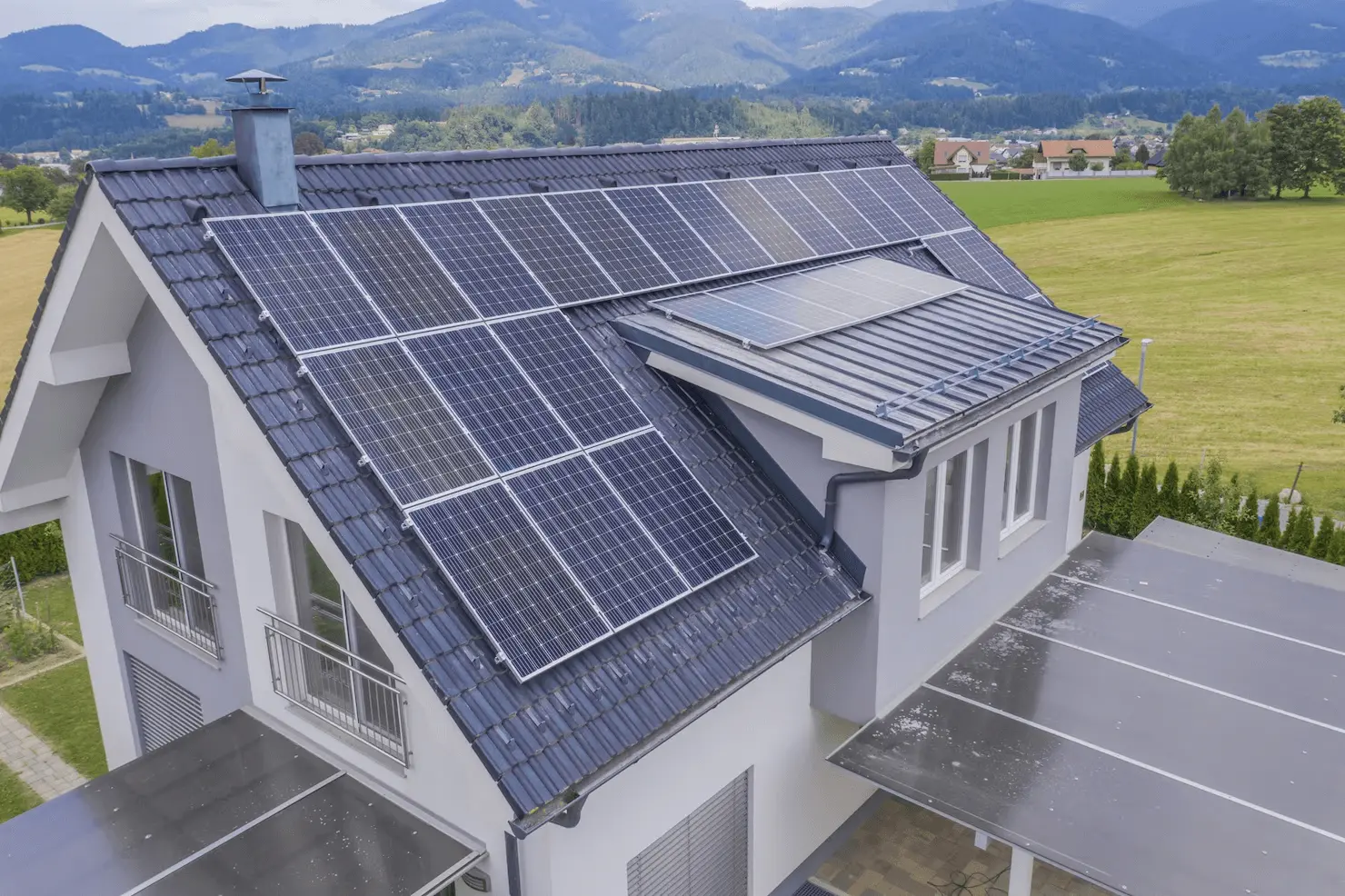
With electricity prices rising every year, Indian homeowners are looking for smarter and more reliable ways to save money.
One of the best solutions today is solar energy — a clean, renewable, and cost-effective way to power your home.
In this blog, we’ll explain how going solar helps you cut your electricity bills, what savings to expect, and why 2025 is the perfect time to switch to solar power.
Every day, your roof receives free sunlight — and solar panels help you turn that sunlight into usable electricity.
Once installed, your solar system generates power for 25+ years, drastically reducing how much you pay your power company.
💡 In short: Instead of paying for electricity every month, you invest once in solar and enjoy decades of savings.
Here’s how the savings process works 👇
Solar panels generate power during the day.
The inverter converts it from DC to AC electricity.
Your home uses this solar energy first.
Any extra electricity goes back to the grid through net metering.
You earn credits for the exported power, which reduces your future bills.
So, instead of paying large monthly bills, you only pay for what you use beyond your solar generation — often zero or very little.
| System Size | Average Daily Generation | Monthly Savings (₹) | Annual Savings (₹) |
|---|---|---|---|
| 2 kW | 8–10 units | ₹1,500–₹2,000 | ₹18,000–₹24,000 |
| 3 kW | 12–15 units | ₹2,500–₹3,000 | ₹30,000–₹36,000 |
| 5 kW | 20–25 units | ₹4,000–₹5,000 | ₹48,000–₹60,000 |
💡 Actual savings depend on your state tariff, sunlight hours, and consumption pattern.
A residential solar system in India usually pays for itself in 3–5 years.
After that, the electricity you generate is essentially free for the next 20 years or more.
For example:
Investment: ₹2 lakh (for 3 kW system)
Annual Savings: ₹30,000–₹35,000
Payback Period: ~4 years
Free Power for 20+ years!
The Indian government offers up to 40 % subsidy on residential rooftop solar systems under the MNRE Rooftop Solar Program.
You can also take advantage of state-level incentives and net-metering credits, further improving your ROI.
Just keep your panels clean and schedule an annual service — that’s all!
Solar-equipped homes are more attractive to buyers and can increase property value by 4–5 %.
A 3 kW system can offset about 3 tons of CO₂ per year — equivalent to planting 150 trees annually!
Avoid rising power costs and grid outages with your own power source.
Adding a battery backup helps store excess energy for night-time use or power cuts.
It ensures 24×7 electricity and makes your home even more energy-independent.
Mr. Patel from Gujarat installed a 5 kW rooftop solar system in 2021.
Before solar: ₹6,000/month in electricity bills.
After solar: ₹400/month average — saving ₹66,000+ per year!
Now, his system has already paid for itself and will generate free power until 2045.
Switching to solar isn’t just an environmental choice — it’s a smart financial decision.
With lower bills, government incentives, and long-term benefits, solar energy pays for itself and keeps saving you money for decades.
So in 2025, make the bright move — go solar, save money, and power your home sustainably. ☀️
Contact our team today to discuss your solar energy requirements and get a customized solution.
Contact Us